
Hole design changes how an enclosure works. An opening affects airflow, dust exposure, water protection, tooling, structural strength, cleaning, and the way the product surface is read. The pattern should start from the device's working conditions, then move to shape, spacing, and finish.
For electronics, industrial controls, handheld instruments, audio devices, chargers, sensors, small appliances, and outdoor equipment, enclosure holes usually handle heat, sound, weight, airflow, connector access, or front-panel layout. More open area can improve airflow, but it may reduce impact strength or lower dust and water protection. A denser pattern may look controlled, but it can raise tooling cost or make cleaning more difficult.
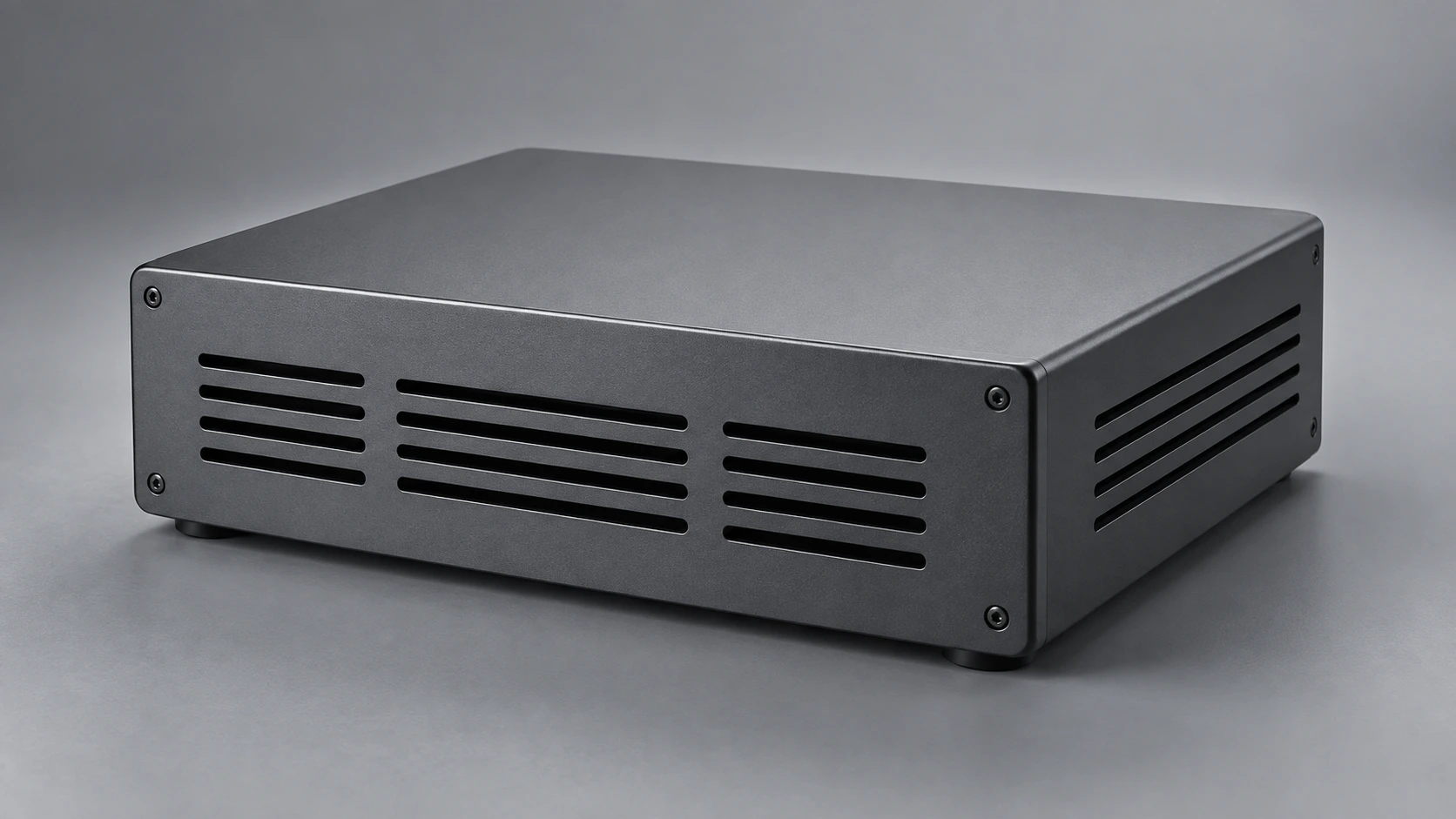
Start With Function, Not Pattern
Before choosing the shape of the holes, the enclosure designer should define the reason for the opening. Ventilation holes for a power supply enclosure are different from speaker grille holes. Both are different from decorative perforations on a front cover. Indoor products can often use more open area; devices near water, dust, oil, or outdoor weather need a different protection strategy.
In real enclosure selection, sealing and ventilation are often handled as one system. For example, Hammond Manufacturing lists certain gasketed polycarbonate enclosures with IP66, IP67, and IP68 ratings, and also offers related accessories such as breather kits, ventilators, pressure compensation plugs, and hole plugs. When a housing needs both airflow and protection, the hole pattern should be planned together with gaskets, plugs, membranes, cable glands, and mounting details.
1. Woven Holes
Woven holes use crossing lines or repeated interlaced forms. The pattern keeps the surface active while leaving paths for air to move through the cover. It is often used on audio products, air-moving devices, and equipment covers where the vent area is also part of the front surface.
The engineering point is open-area control. If the ribs between holes are too narrow, the cover may become weak or difficult to mold. If the pattern is too dense, airflow may be less effective than expected. For injection-molded plastic parts, rib thickness, draft angle, and tool release should be checked early.

2. Matrix Holes
Matrix holes are arranged in a regular grid. They are common on ventilation covers, speaker grilles, sensor windows, and instrument panels because the spacing is easy to control. A grid also makes it easier to avoid bosses, clips, screw posts, and ribs inside the enclosure.
For custom enclosures, matrix holes are often the most predictable option. They can be made by CNC punching, laser cutting, machining, or molding depending on the material and production volume. The design team should check hole diameter, pitch, edge distance, and whether the pattern creates stress concentration near corners or fasteners.

3. Three-Dimensional Holes
Three-dimensional holes are formed with raised edges, recessed surfaces, angled walls, or layered openings. They can help control light reflection and make the opening look integrated with the housing rather than simply cut through it.
This design needs more manufacturing review than a flat perforation. In plastic enclosures, undercuts, draft, wall thickness, and sink marks can become concerns. In metal enclosures, forming depth and bend radius matter. Use it when the opening is central to the product surface, then check it against the selected process.
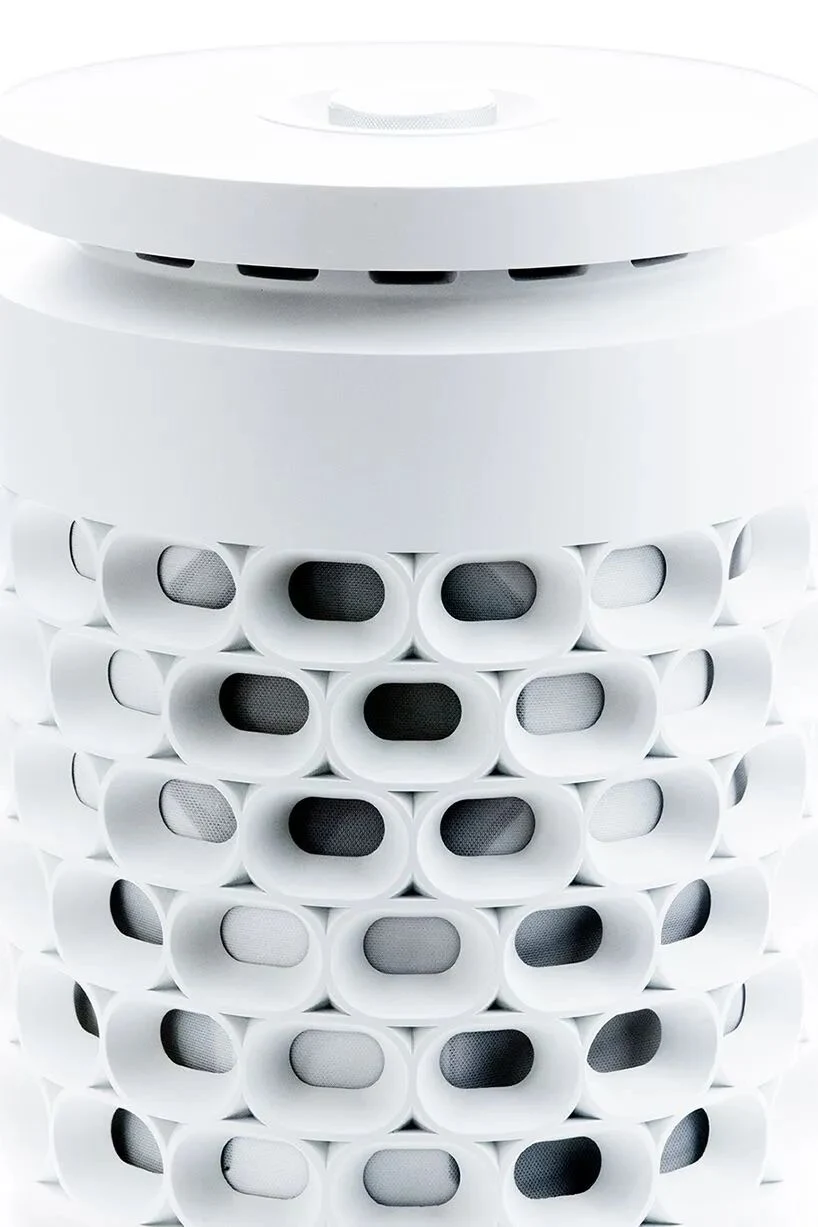
4. Diamond Holes
Diamond holes can give a panel directional strength and a sharper technical look. They are often used when the designer wants a pattern that feels more dynamic than a square grid while keeping repeatable geometry.
The weak point is corner stress. Sharp internal corners can be harder to mold, harder to coat evenly, and more likely to concentrate stress. For plastic parts, corner radii should be added where possible. For sheet metal parts, the hole shape should be checked against the cutting method and minimum web width.
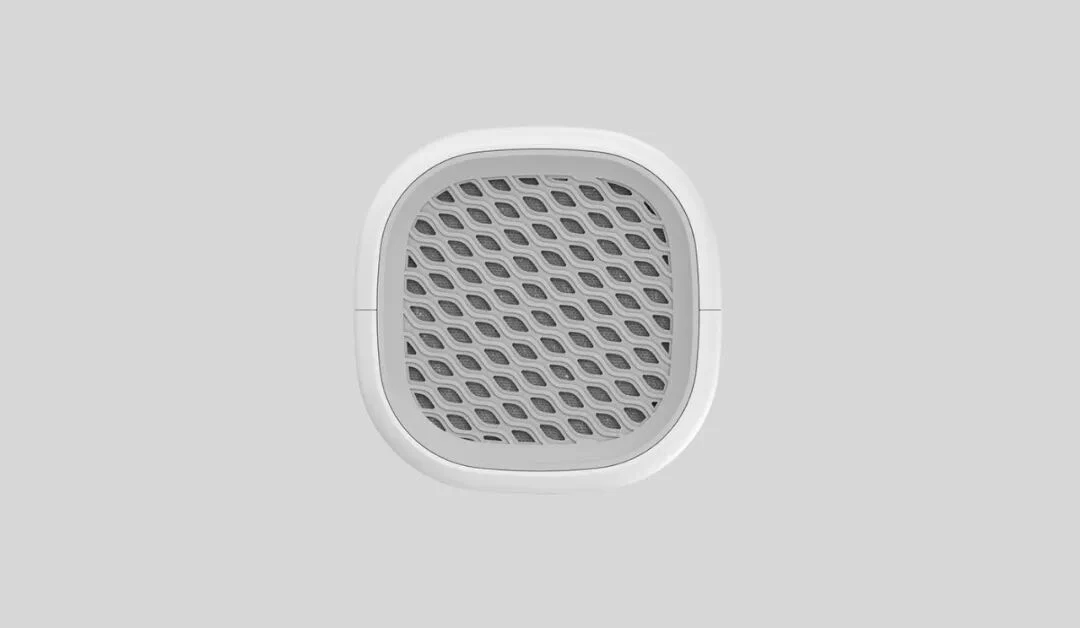
5. Cross Holes
Cross-shaped holes create a clear pattern with intersecting openings. They can be used for ventilation panels, control surfaces, or decorative covers when the front surface needs a stronger graphic rhythm.
The practical question is whether the pattern creates too many thin bridges. Thin sections can deform during molding, coating, or assembly. If the enclosure is used in a dusty environment, cross holes may also collect dirt more easily than round or slot holes.

6. Slot Holes
Slot holes are one of the most common choices for enclosure ventilation. Their long shape can guide airflow and reduce the number of individual openings needed. They are often used on chargers, power supplies, control boxes, routers, small appliances, and industrial modules.
Slot direction matters. Vertical slots, horizontal slots, and angled slots can change water entry risk, airflow path, and tooling complexity. If the enclosure needs outdoor use, slots usually require extra design measures such as internal baffles, downward-facing openings, gaskets, membranes, or rain shields.

7. Angled Holes
Angled holes can direct airflow and reduce the direct view into the enclosure. They work well when the product needs ventilation but should not expose the internal structure too clearly.
For equipment used outdoors or near liquid, angled holes can help reduce direct splash entry, but they do not automatically create a waterproof enclosure. The final protection level depends on the entire enclosure system: hole orientation, internal baffles, seals, screw positions, cable glands, gasket compression, and test standard.
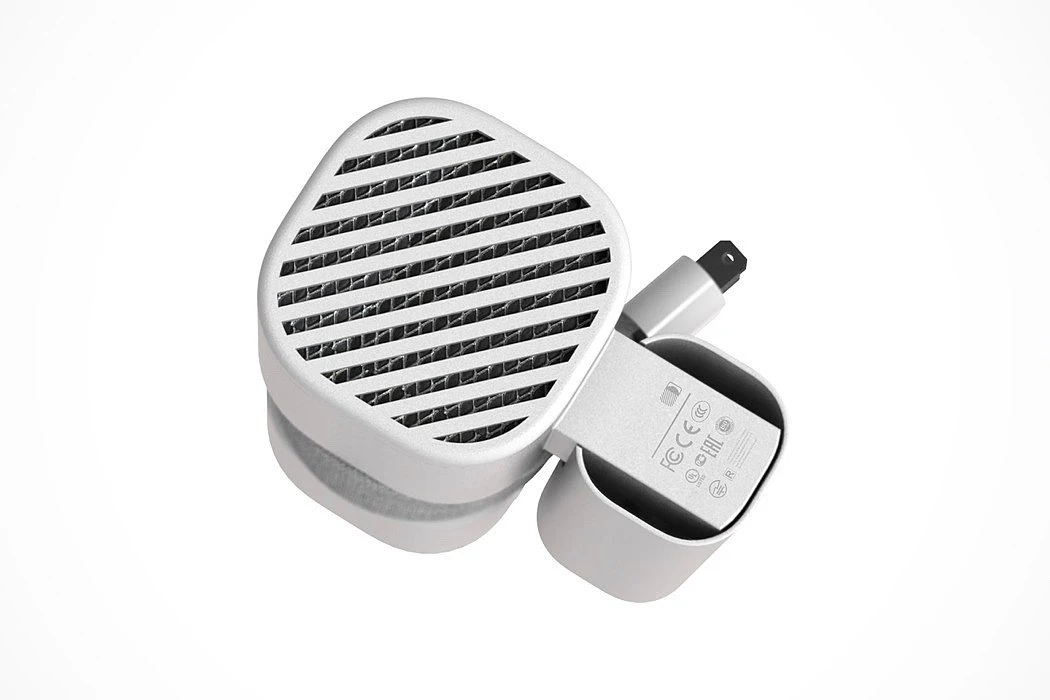
8. Spiral Holes
Spiral or rotating patterns are usually chosen when the vent area sits close to fans, speakers, aroma modules, or small air paths. The curved layout can make the opening feel less mechanical than a grid.
The risk is uneven airflow. A spiral pattern may look balanced, but the actual pressure drop and airflow path should be checked if the product contains a fan, heat sink, or acoustic component. For production projects, simulation or prototype testing can catch performance issues before tooling.

9. Circular Wave Holes
Circular wave holes use curved lines or ring-based openings. They can soften the surface and create a calmer appearance while still allowing air, sound, or light to pass through.
Use this pattern when the opening is visible on the front face of the product. The designer should still check minimum wall thickness, polishing difficulty, paint coverage, and whether the holes interfere with internal ribs, fasteners, buttons, or speaker components.
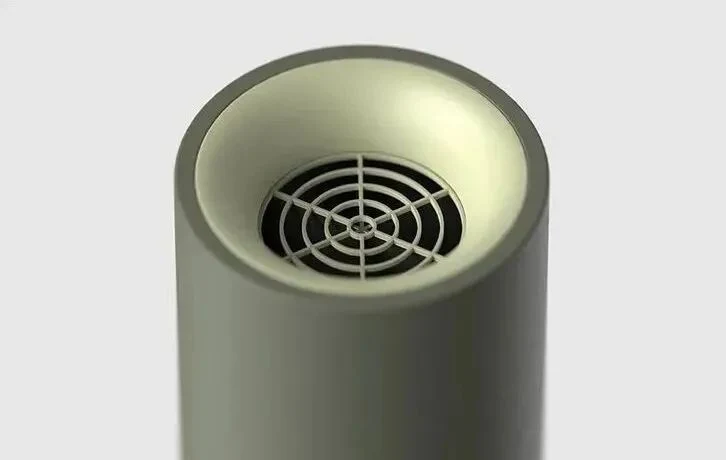
Engineering Checklist for Custom Enclosure Holes
When a hole pattern is used on a custom enclosure, the design should be reviewed from five angles.
First, thermal performance: define the heat source, airflow direction, total open area, and whether passive ventilation is enough.
Second, protection level: decide whether the product needs indoor use, splash resistance, dust protection, or a tested IP rating. Open holes usually make sealing more difficult, so protection needs to be designed into the whole enclosure rather than added at the end.
Third, structure: check rib width, edge distance, screw post positions, panel thickness, and whether the pattern weakens the part.
Fourth, manufacturing: match the pattern to injection molding, CNC machining, punching, laser cutting, or die casting. A pattern that is easy to draw may still be expensive to produce.
Fifth, maintenance: consider dust buildup, cleaning access, filter replacement, speaker mesh, waterproof membrane, and whether users can damage the openings during daily use.
Conclusion
The best enclosure hole design is not the most complex pattern. It is the pattern that supports the product's thermal path, acoustic path, protection target, material choice, and manufacturing process. Woven holes, matrix holes, dimensional holes, diamond holes, cross holes, slots, angled holes, spiral holes, and circular wave holes can all work, but each one should be selected for a reason.
For a custom plastic or metal enclosure project, TY Enclosure can review the product structure, component layout, airflow path, surface treatment, and production method before the hole pattern is finalized. That early review helps prevent a surface feature from becoming a tooling, assembly, or reliability problem later.